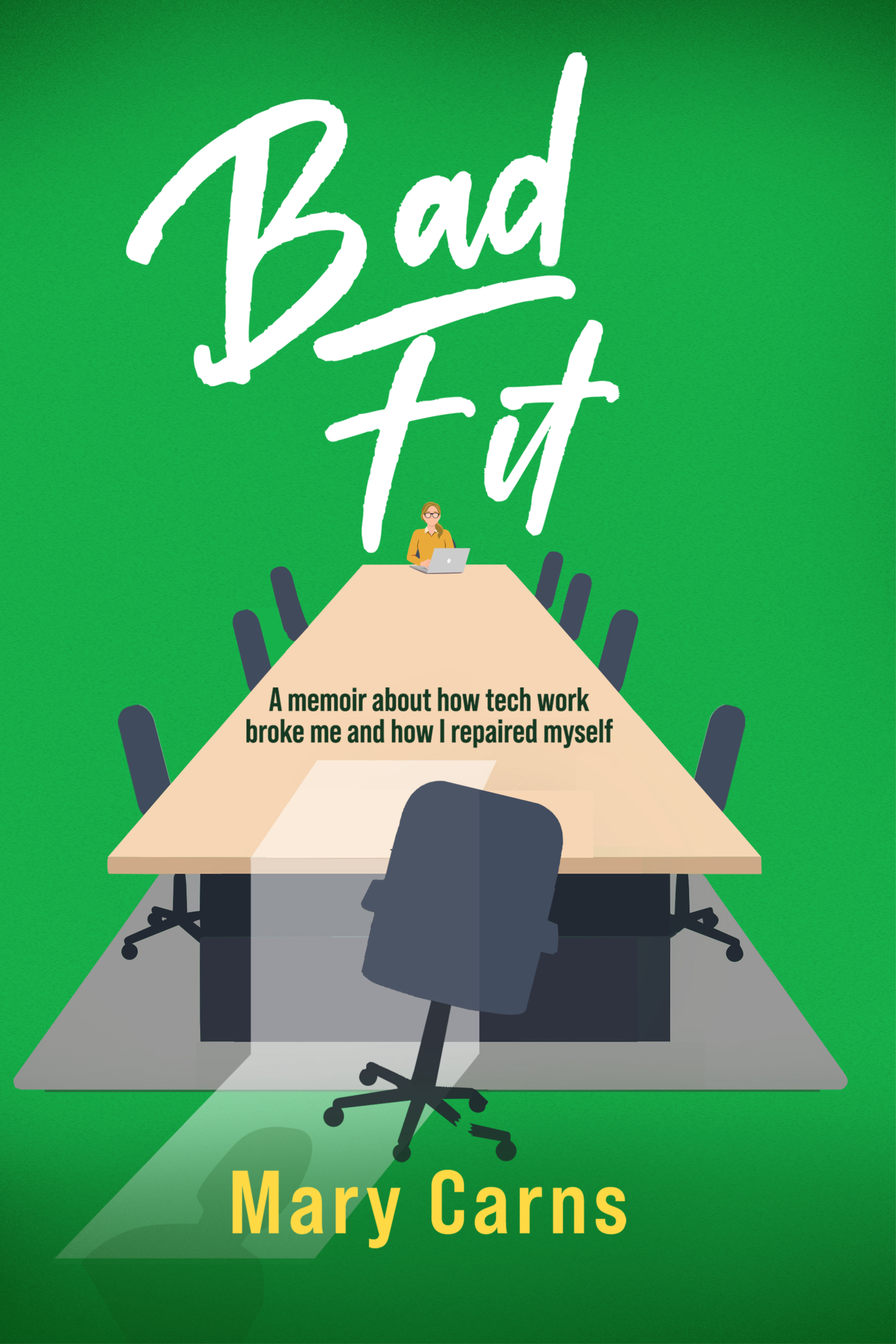
The book · Available now
Bad Fit
Nine layoffs. One conclusion: the system is broken, not you.
A memoir about what's broken in tech and how to fix it
The book · Available now
Nine layoffs. One conclusion: the system is broken, not you.
Bad Fit is a memoir about a career spent as a user experience designer in tech — and about discovering that “bad fit,” the label that ended job after job, was usually the most honest assessment anyone in the building offered.
This is not a book about resilience or bouncing back. It's about what happens when organizations hire problem-solvers and then remove them once the problems turn out to be load-bearing. It's about the scapegoat economy, where an individual becomes the tidy explanation for failures that came from leadership, culture, and incentives.
The book maps the patterns that repeat across startups, government contractors, and Fortune 100 companies. Same dysfunction, different building.
Organizations purchase silence with NDAs and severance, which prevents workers from recognizing the pattern. When you're the only one saying the emperor has no clothes, it's easy to believe you're the problem — until you realize a dozen other people said the same thing and just got paid to disappear quietly.
Why this one
Most workplace memoirs run on a single arc: the toxic boss, the startup implosion, the lawsuit. One villain, one building, one ending. Bad Fit follows the same patterns across many companies and industries, which is what turns a collection of bad luck into evidence of something structural.
It also starts earlier than the first layoff. Long before any company called me a bad fit, I was already someone who didn't default to fitting in. When something wasn't working, my instinct was never to press myself into it harder — it was to change the thing. I changed schools. I moved across the country. I was never especially interested in trends, and I was always more curious about what happens when you change something broken than in learning to tolerate it.
That instinct is the throughline. It's why the label kept getting applied, and it's why I've come to think the label was usually right — just not in the way anyone meant it.
This is for anyone who's been called difficult for naming a problem, not a culture fit for declining to pretend, or not strategic enough for caring more about the work than about how the work looked.
Every two weeks I send the stories behind the chapters — what happened after, what didn't make the final cut, and the patterns I'm still documenting.
Inside
How NDAs and severance agreements keep workers from comparing notes — and how dysfunction stays invisible when everyone who names it gets paid to leave quietly.
The exhausting, invisible labor of translating between creative and technical thinking and business language — and how that labor gets used against the person doing it.
Why charismatic founders with a vision so often produce the most toxic cultures, and what the early warning signs actually look like.
How my own privilege let me keep my integrity in situations where other people couldn't afford to — and what that says about who gets to tell the truth at work.
Why building investment income over twenty years is what made “no” a sentence I could finish.
And if the book resonates, an Amazon review is the most public form of allyship a reader can offer.
Buy on Amazon